choosing a groomer.
Between-grooms know-how from scruffyboy
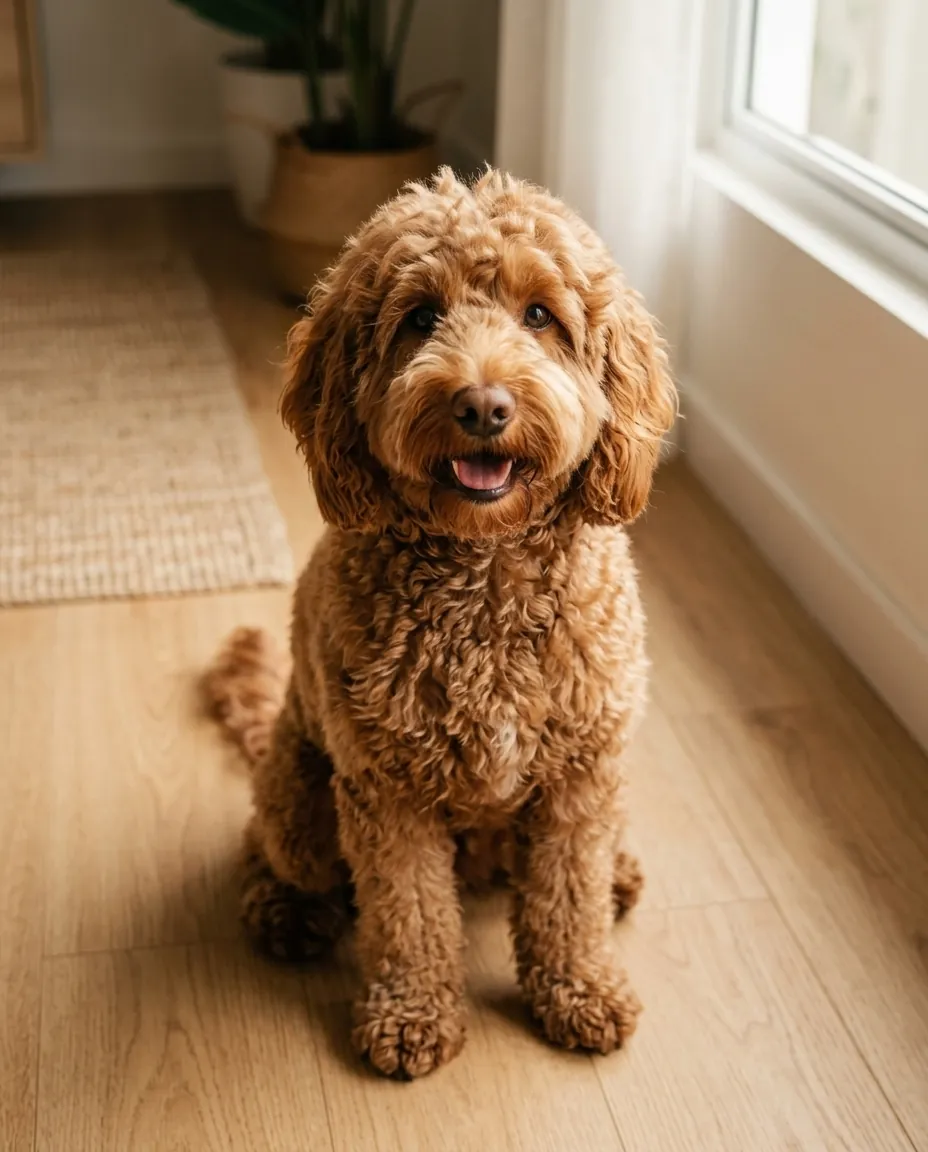
Worth knowing before you hand your dog to anyone: in most countries, dog grooming is barely regulated. Anyone with clippers and an Instagram account can open tomorrow. Plenty of superb groomers exist, trained, careful, genuinely gifted with nervous dogs, but the sign outside does not tell you which kind you have found. A little homework does.
what you're actually choosing
Not a haircut. You are choosing the person your dog spends two unsupervised hours with, several times a year, involving water, dryers, blades and restraint. Handling matters more than styling, and the best groomers are effectively part trainer: a dog who comes back relaxed is worth more than one who comes back beautiful, though the good ones deliver both.
the questions worth asking
- "Can I see where the dogs are kept and groomed?" A good salon shows you without hesitation. Clean, calm, dogs waiting comfortably, no smell of panic. A refusal is your answer.
- "What training and insurance do you have?" Qualifications vary by country and none are legally required in most places, so what you are listening for is whether they take the question seriously: courses, apprenticeships, years under someone good, insurance in place, first-aid knowledge.
- "How do you handle a dog who's scared or difficult?" The answer you want mentions patience, breaks, going slower, and knowing when to stop and call you. The answer you do not want is anything that sounds like "we manage" delivered with a look.
- "What do you do if you find a lump, a tick or a skin problem?" Good groomers find these constantly and should tell you every time. Their hands are on more dogs than most vets'.
- "Will the same person groom him each time?" Continuity calms dogs, and a groomer who knows his coat and his quirks does better work in less time.
green flags and walk-away signs
Green: they ask you questions (health, temperament, how he lives, what you actually want), take time on a first meeting, are honest about what a coat's condition allows (a matted dog gets an honest "this needs a short clip", not hours of dematting misery), and are booked out a sensible way ahead. Walk away from: guaranteed timelines with a fixed dog-per-hour churn, dogs left unattended on tables (dogs strangle in grooming loops this way, and it is the accident every careful groomer organises the whole room to prevent), any hint of rough handling shrugged off as normal, sedation ever being mentioned as their tool rather than a vet's, and vagueness when asked anything above.
the first appointment, and being a good client
Book a small service first (a bath and tidy, a nail trim) and judge the aftermath: how does he seem, and did they tell you anything true about him? Then hold up your end, because grooming is a two-sided arrangement: keep the between-grooms brushing going so he does not arrive felted, be honest when you have not (they always know), mention every quirk and health issue up front, especially with an older dog, and turn up on time, since a backed-up day makes every dog's appointment worse. Find a good one, and keep them. A groomer who has known your dog for five years is one of the most valuable people in his life, and they are usually the first to spot when something is wrong.
scruffyboy handles the six weeks between those appointments. Join the list for first dibs, or read the other guides.
grooming goods for dirty dogs.
Quick-clean products for the stretch between grooms, in final testing now, launching autumn 2026. The first 500 on the list get founder pricing.
get first dibs