curly coats, and the mat problem.
Between-grooms know-how from scruffyboy
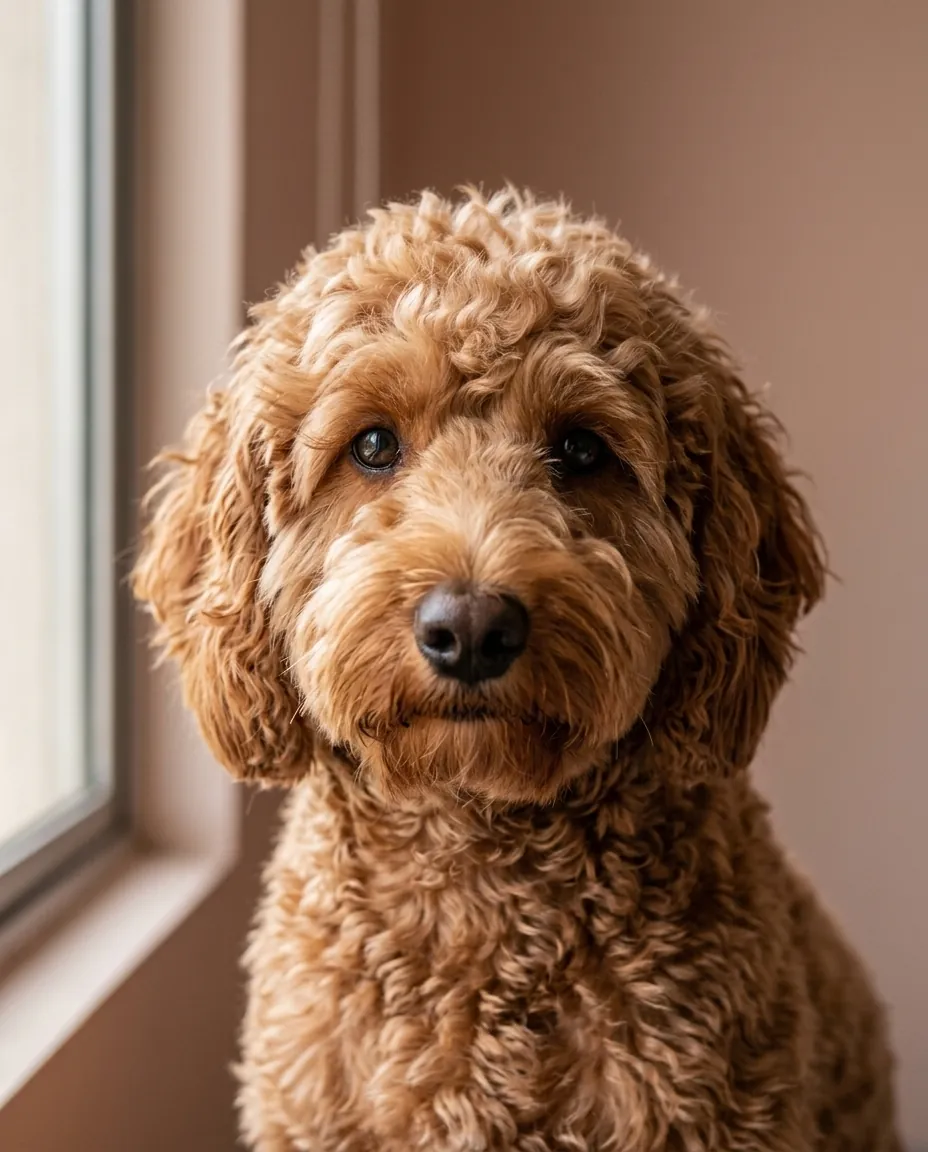
The curly coat is the great trade of modern dog ownership. Cockapoos, cavapoos, labradoodles and the rest barely shed, which is why half of us chose them, and in exchange the coat keeps every loose hair it grows. Those trapped hairs are mat ingredients. A curly coat is not low maintenance; it is low shedding, and the difference is the whole subject of this guide. We would know. The dog this company is built around is a red cockapoo.
why curly coats mat like nothing else
In a shedding coat, dead hair falls out. In a curly one it stays put, winds around its neighbours, and felts, with friction and damp as accelerants. That is why mats appear where gear rubs and where he gets wet: behind the ears, under the harness, armpits, trousers, tail. An active curly dog who swims and pushes through undergrowth is running a mat factory at full capacity, and a week of missed brushing can undo a groom.
brushing that actually works
- Brush to the skin, not over the top. The classic curly-coat failure is a dog brushed shiny on the surface and felting quietly underneath. Work in layers: lift the coat with one hand and brush the layer below it, section by section. Groomers call it line brushing, and it is the single technique worth learning.
- Slicker brush plus a metal comb. The slicker does the work; the comb is the inspector. If a comb glides to the skin everywhere, he is genuinely mat-free. Where it snags, you have found tomorrow's mat while it is still ten seconds of teasing rather than a clip-out. The method for caught-late ones is in the matting guide.
- Little and often wins. Ten minutes every couple of days beats an hour on Sunday, and the friction zones (ears, armpits, harness line) want attention most days on an active dog.
- Never bathe an unbrushed curly dog. Water sets tangles into felt. Brush first, always, and dry properly afterwards, since a damp curly coat mats fastest of all. The drying guide matters double for this coat.
the haircut question
Curly coats grow continuously, so professional grooms every six to eight weeks are part of the deal, and coat length is the biggest decision you control. The honest rule: match the length to the life. A long, teddy-bear cut on a dog who hikes and swims is a full-time job and usually ends in a shave-off after the mats win. A shorter all-over cut keeps an adventure dog practical, dries faster and brushes in half the time, and he does not care what it looks like. Tell the groomer how he actually lives, and if you are behind on brushing, say so rather than hoping; they will find out in the first five minutes anyway.
the between-grooms part
Everything in the between-grooms routine applies, with the dial turned up: paws and undercarriage collect and hold dirt in curls, so post-walk checks matter more, and a waterless clean beats a bath for the weekly grime precisely because it keeps the coat drier. Watch the eyes and beard too, which curly faces collect gunk in, and keep the fur around them trimmed by someone who knows what they are doing near eyes, which is to say the groomer.
scruffyboy is developed on a curly-coated dog with strong opinions about mud, so this one is personal. Join the list for first dibs, or read the other guides.
grooming goods for dirty dogs.
Quick-clean products for the stretch between grooms, in final testing now, launching autumn 2026. The first 500 on the list get founder pricing.
get first dibs