dealing with the shedding.
Between-grooms know-how from scruffyboy
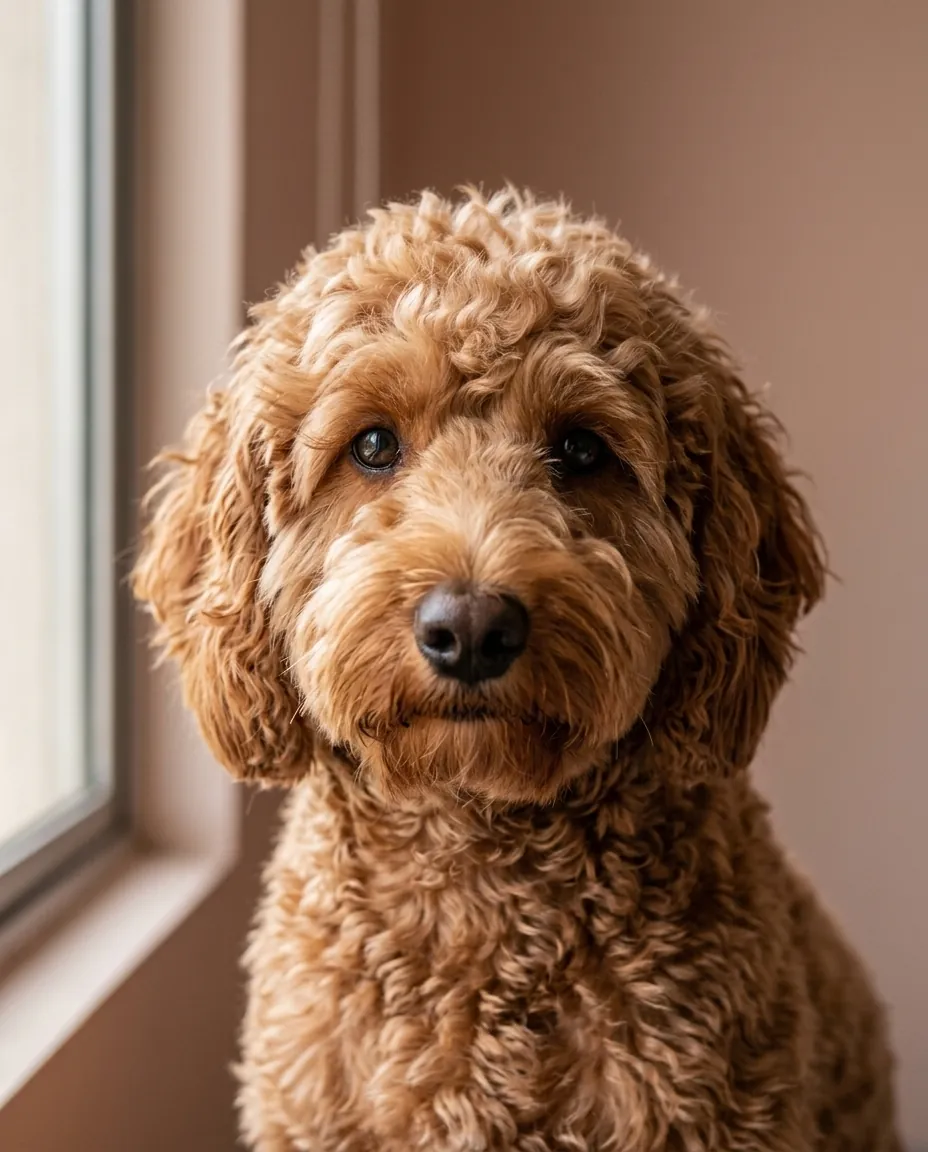
Shedding is not a malfunction. It is the coat doing its job, retiring old hair to make room for new. You cannot stop it, and anything promising to is selling you something. What you can do is decide where the hair ends up: in a brush, or evenly distributed across your home, car and dinner.
the shape of a normal year
Most dogs shed lightly all year and heavily once or twice, usually as seasons turn, when the coat swaps between its winter and summer setups. Double-coated breeds (huskies, shepherds, retrievers and friends) do this dramatically: the undercoat comes out in handfuls for a few weeks, a process politely called "blowing coat" and impolitely called everything else. Indoor living blurs the seasons, so plenty of dogs now shed steadily year-round instead. All of this is normal.
the routine that actually works
- Brush little and often, with the right brush. Five minutes a few times a week beats an hour monthly, because you catch the hair before it lets go on its own. A slicker brush suits most coats; double coats want an undercoat rake that reaches the woolly layer underneath; smooth short coats do best with a rubber curry or grooming mitt.
- Brush outdoors during the heavy weeks. Or accept that the hair you liberate indoors is simply hair you have pre-distributed.
- During a big blow, brush daily. It is a few weeks, not forever, and every rake-full is a sofa-full you prevented.
- Bath as a shedding tool, used sparingly. A bath with a good rinse and a thorough dry loosens a remarkable amount of ready-to-drop undercoat during a blow. That is a tactic for peak season, not a schedule; the case against constant bathing is in how often to bathe your dog.
- Feed him properly. Coat quality reflects diet. A dull, brittle, over-shedding coat on a poor diet is fixed in the bowl, not the bathroom.
and do not shave the double coat
It is tempting in summer and it backfires. The undercoat and top coat together are the dog's insulation and sunscreen, and they regulate heat in both directions. Shaved double coats often grow back patchy and worse, and the dog is hotter, not cooler, in the meantime. Strip the loose undercoat out with a rake instead; that is what actually lets air through.
when shedding is a symptom
Hair loss is different from shedding. Bald patches, thinning down to skin, redness, dandruff, constant scratching, or a coat coming out in clumps outside any season: those point at skin trouble, parasites, allergies or something hormonal, and they are a vet conversation. The line is simple enough: shedding leaves hair everywhere and a normal-looking dog. Symptoms leave a dog who looks or acts different.
living with the hair anyway
Even a well-brushed dog loses some. A washable throw on his favourite spots, a weekly slow vacuum of the fabric he lies on, and a rubber glove for the car seats keep it civilised; there is more in keeping the house fresh and the car guide, since hair and smell travel together. The goal is not zero hair. The goal is that visitors can leave your house without needing a lint roller.
scruffyboy is building the between-grooms kit for the dog under all that hair. Join the list for first dibs, or read the other guides.
grooming goods for dirty dogs.
Quick-clean products for the stretch between grooms, in final testing now, launching autumn 2026. The first 500 on the list get founder pricing.
get first dibs