double coats, and the great shed.
Between-grooms know-how from scruffyboy
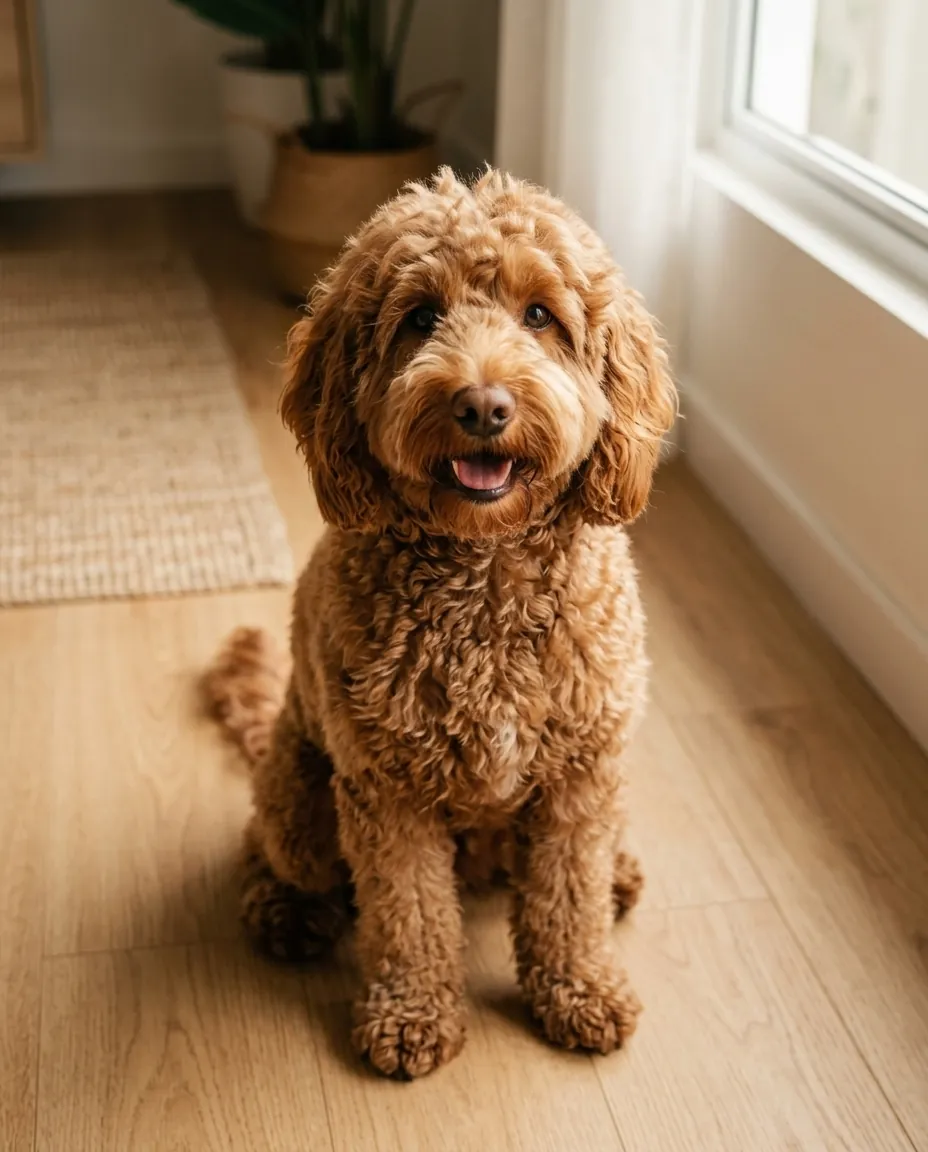
A double coat is exactly what it sounds like: a soft, dense undercoat doing insulation, under a longer top coat of guard hairs doing weatherproofing. Huskies, German shepherds, labradors, retrievers, corgis, spitz types and plenty of mixes run this system, and it is a good system. It insulates against cold and heat, sheds water and dirt on its own, and asks for surprisingly little, provided you do the one job it cannot do itself: get the dead undercoat out.
the tool is a rake, not a brush
A normal brush grooms the top coat and glides straight over the woolly layer underneath, which is where all the action is. An undercoat rake or de-shedding tool reaches through the guard hairs and pulls the loose undercoat free. Used once or twice a week with the grain, gently (the skin under all that wool is ordinary skin), it removes startling quantities of hair and keeps air moving through the coat, which is the entire game. The comb-to-the-skin check from the curly-coat world applies here too: dense trouser and mane areas can felt near the skin if the rake never reaches them.
surviving the blow
Once or twice a year the undercoat lets go all at once, over two to four weeks of genuinely comic volume. During a blow, rake daily and outdoors, and consider one well-timed bath: warm water and a thorough dry release huge amounts of ready-to-drop wool in one sitting. Groomers offer exactly this as a de-shed treatment, and mid-blow is the one time of year it is worth every penny. The rest of the hair-management playbook is in the shedding guide.
washing a double coat
Rarely, and dry it like you mean it. The coat sheds dirt naturally as it dries, so most mud is a dry-and-brush job, not a bath. When a bath is genuinely earned, the hard part is not the wash but the rinse and the dry: shampoo and water both linger in the undercoat, and a damp undercoat on this much dog is the express route to the post-bath smell, hot spots included. Towel in stages, and accept that a thick double coat takes hours to truly finish drying.
do not shave it. genuinely.
Every summer, someone shaves a husky out of kindness. The coat they removed was the dog's insulation in both directions and his sun protection; without it he is hotter, burns, and the regrowth often comes back wrong, undercoat first, patchy and woollier than before. An old or clipped-before coat sometimes never fully recovers. If he seems hot, rake the dead undercoat out so air can circulate, walk him in the cooler hours, and let the system work. The exceptions (medical clips, badly matted rescues) belong to vets and groomers, not summer.
the everyday
Beyond the rake, a double coat is refreshingly low-drama: the standard routine covers it. The two habits that earn their keep are drying him properly whenever he is soaked, and running your hands through the dense zones weekly so a hidden felt or a tick does not get a month's head start.
scruffyboy makes quick between-grooms gear for dogs whose coats are a full-time occupation. Join the list for first dibs, or read the other guides.
grooming goods for dirty dogs.
Quick-clean products for the stretch between grooms, in final testing now, launching autumn 2026. The first 500 on the list get founder pricing.
get first dibs